Midwest Industrial Real Estate: Market Guide
The hub for everything we publish on Midwest industrial — market fundamentals across 20 metros, the below-replacement-cost thesis, and how passive industrial investing works. Market data from CoStar, 2026 Q1.
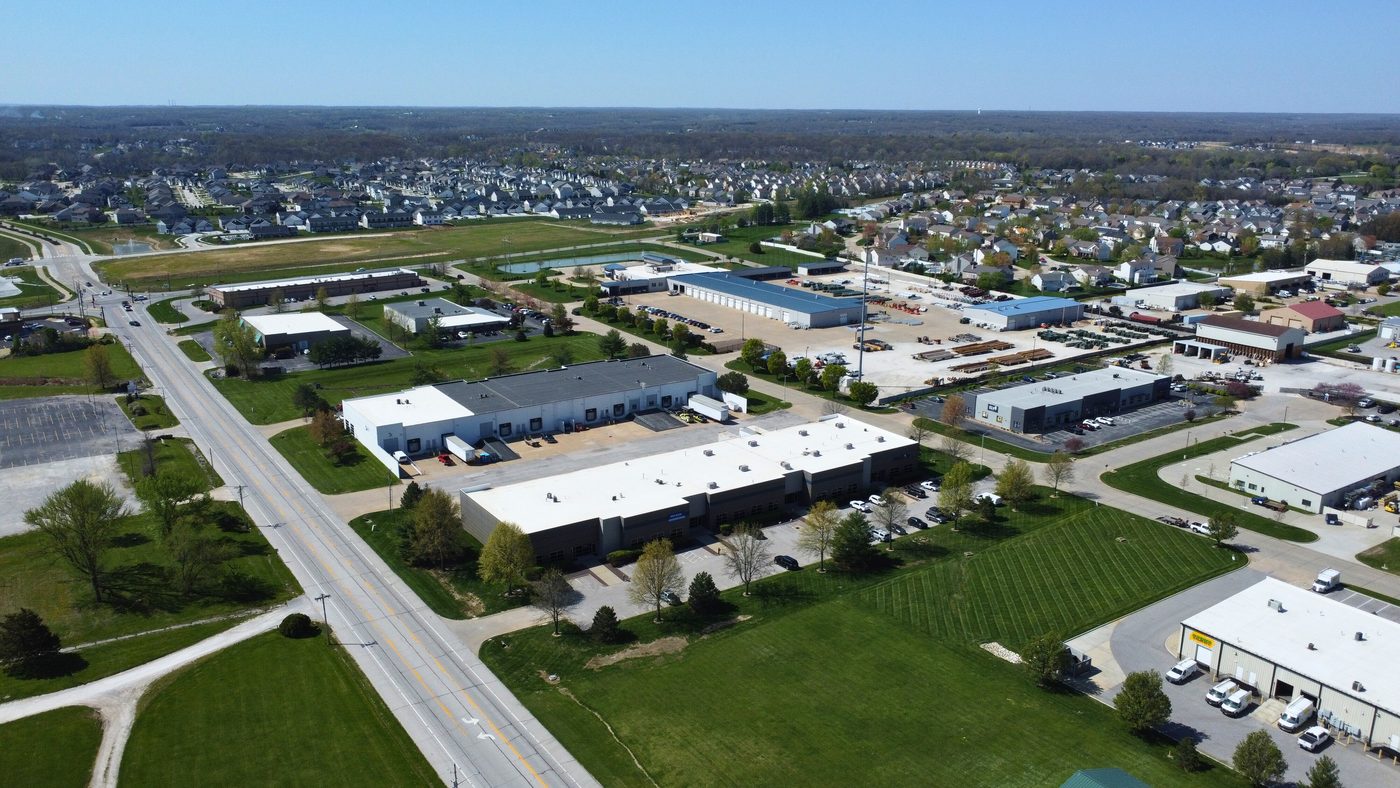
Why Midwest industrial
Institutional capital concentrates in big-box distribution and coastal logistics, leaving a gap in the $3–10M Midwest market — functional small-bay, IOS, and single-tenant net-lease product serving local contractors, distributors, and manufacturers. These assets often trade below replacement cost, with durable demand and a simpler value-add path than gateway markets. That gap is the thesis. The guides below show the data behind it, market by market.
Markets we cover
Quarterly CoStar-powered reports across 20 Midwest metros.
Core markets
Coverage markets
Learn the fundamentals
Market Reports
Chicago industrial market data: vacancy, rents, absorption, and why functional small-bay product under $10M in the I-55 and I-80 corridors stays mispriced.
Minneapolis–St. Paul industrial: 4.3% vacancy, $9.57 rents, and why a 17-Fortune-500 economy keeps small-bay demand durable through the cycle.
Indianapolis industrial real estate by the numbers — vacancy, rents, absorption, and why infill small-bay sits below replacement cost.
Columbus industrial real estate by the numbers — 6.5% vacancy, 5.7% rent growth, and why functional small-bay under $10M is mispriced.
St. Louis industrial market: vacancy, rents, absorption, and why below-replacement small-bay product in the Earth City corridor stays mispriced.
Midwest industrial outlook for Q3 2026: vacancy, rents, absorption, and cap rates across our five core metros, read through a below-replacement lens.
A data-driven look at the Milwaukee industrial market — vacancy, rents, submarkets, and why below-replacement small-bay product is mispriced.
Passive Investing
What industrial outdoor storage (IOS) is, why the land is supply-constrained, its demand drivers, and how passive accredited investors evaluate it.
How the preferred return and promote split a deal's cash flow between LPs and the GP — a worked waterfall example and why sponsor alignment matters.
The macro case for Midwest industrial: reshoring, logistics corridors, supply-constrained small-bay, and cap rates that price wider than coastal gateways.
Who qualifies as an accredited investor — the income and net-worth tests, why Reg D 506 deals require it, and what the subscription process involves.
A plain-English guide to how real estate syndications are structured for accredited investors: GP/LP roles, the PPM, distributions, and the capital event.
Deal Anatomy
A diligence checklist for accredited investors vetting a syndication sponsor: track record, co-investment, fees, underwriting conservatism, and communication.
What replacement cost means in industrial real estate, how we estimate it, and why buying under it caps downside — a St. Louis example.
How Bluebird underwrites a sub-$10M small-bay industrial acquisition — basis, in-place vs. market rent, the value-add lever, and downside discipline.
Tax & Structure
How an absolute NNN industrial lease shifts operating-expense risk to the tenant, how rent escalations work, and why it produces durable cash flow.
How cost segregation and bonus depreciation can shelter passive income for limited partners in industrial real estate deals — the mechanics, explained.
Educational market commentary by Bluebird CRE. Not investment, tax, or legal advice, and not an offer to sell securities. Market data sourced from CoStar (2026 Q1) and other cited public sources.
Invest with Bluebird
Investments start at $25,000. Tell us about your goals. We’ll follow up within one business day.
Start a conversation